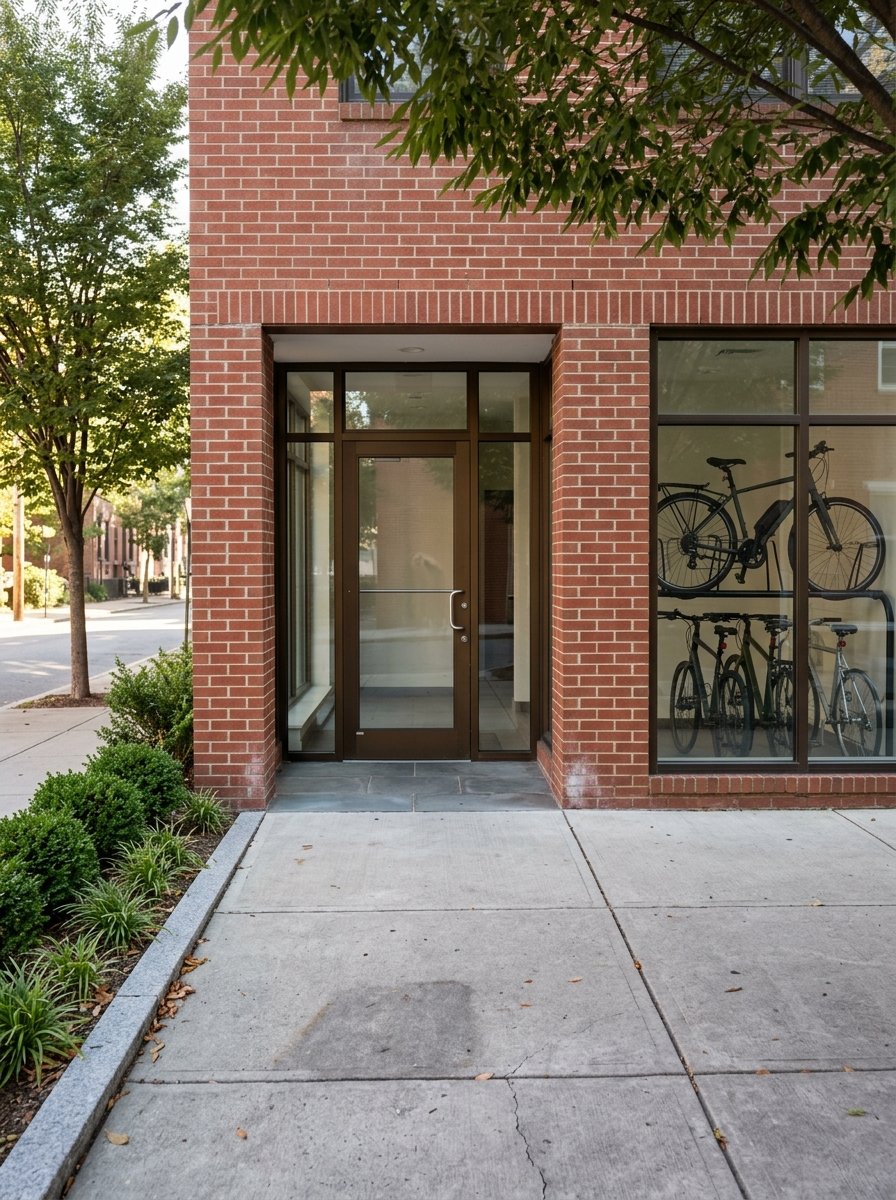
Thinking about living in Arlington with less time behind the wheel? If you want a home where Metro, shops, dining, parks, and daily errands feel easier to reach, Arlington’s Metro corridors are worth a close look. The good news is that car-light living here is not just possible in theory. It is built into how many of these neighborhoods function day to day. Let’s dive in.
Why Arlington Works for Car-Light Living
Arlington has planned many of its urban corridors around transit, walkability, and mixed-use development. The county says higher-density housing and commercial uses are concentrated along major transit lines, which helps support daily life without requiring car ownership.
That pattern shows up on the ground in practical ways. Arlington has 527 miles of sidewalks, more than 50 miles of paved multi-use trails, and 14.5 miles of hiking and natural trails. BikeArlington also notes about 100 miles of multi-use trails, on-street bike lanes, and designated bike routes.
Transit options add another layer of flexibility. ART helps connect neighborhoods to Metrorail and VRE, which can make short local trips and station access easier. For many residents, that means you can combine walking, Metro, bus service, and biking instead of relying on one car for everything.
Another detail matters more than it may seem. Several core Arlington Metro stations, including Ballston-MU, Clarendon, Court House, Virginia Square-GMU, Rosslyn, Pentagon City, and Crystal City, list no daily parking on their WMATA station pages. That reinforces the walk-to-transit feel of these areas.
What Car-Light Living Really Means
Car-light living does not mean every household gives up a car. It usually means you can do more of your routine on foot, by train, by bus, or by bike, and use a car less often.
In Arlington’s Metro corridors, that often looks like walking to a station in the morning, using ART or Metrobus for short connections, and relying on nearby grocery, dining, and service options for everyday needs. The county also highlights that many of its walkable neighborhoods make it easier to reach grocery stores and neighborhood restaurants.
If that sounds appealing, the next step is choosing the corridor that best fits how you want to live. Even neighborhoods on the same line can feel very different from one another.
Ballston: Active and Amenity-Rich
Ballston sits at the western end of the Rosslyn-Ballston corridor on the Orange Line. County planning describes it as a mix of commercial, office, and residential uses, with the highest density near the station and lower-density housing farther out.
For daily life, Ballston offers a lot within a compact area. Arlington Economic Development points to condos, townhouses, and single-family homes, along with Ballston Quarter, workout studios, live music, and a seasonal farmers market.
If you want a neighborhood where errands, dining, fitness, and Metro access can all fit into the same routine, Ballston is often a strong match. Housing near the station tends to lean urban, while nearby blocks can transition to a quieter residential feel.
Clarendon: Walkable and Social
Clarendon is known for its walkable layout and lively mix of shops, restaurants, bars, office buildings, public art, open space, and tree-lined streets. The county also says residents report above-average public transportation use.
WMATA lists Orange and Silver Line service at Clarendon, and the station has no parking. That setup supports the neighborhood’s identity as a place where many people move around on foot and use transit as part of daily life.
If you are looking for a car-light lifestyle with easy access to shopping and evening activity, Clarendon may stand out. It tends to appeal to buyers and renters who want convenience and energy close to home.
Courthouse: Convenient and Central
Courthouse offers a practical kind of urban living. It serves as the county seat, and Arlington Economic Development says the neighborhood has more than 14,000 residents, over 8,900 residential units, 4.3 million square feet of office space, and many restaurants, bars, cafés, and shops.
That mix can make the area feel especially functional for day-to-day living. WMATA lists Orange and Silver Line service at Court House, and the station has no parking.
If your version of car-light living is all about convenience, access, and a steady rhythm of nearby services, Courthouse is worth considering. It often feels less nightlife-focused than Clarendon and more centered on practical daily access.
Rosslyn: Skyline Living with Strong Transit
Rosslyn is Arlington’s gateway from Washington, D.C., and one of its most urban-feeling neighborhoods. The county describes it as an urban village with high-rise apartments and condos, along with smaller buildings, while Arlington Economic Development notes more than 1,000 businesses, about 25,000 professionals, 50-plus restaurants, and frequent neighborhood activities.
Rosslyn also offers some of the strongest rail connectivity in the county. WMATA lists Orange, Silver, and Blue line service, and the station has no parking.
For buyers or renters who want a true walk-to-transit setup with a dense urban environment, Rosslyn can be a compelling option. The neighborhood also includes parks and public-space projects that help balance its high-rise setting.
Virginia Square: Arts, Campus, and Neighborhood Feel
Virginia Square blends several uses in a compact area. Arlington Economic Development highlights George Mason University’s Arlington campus, the Museum of Contemporary Art Arlington, the main county library, coffee shops, local restaurants, and a range of housing options.
The neighborhood includes nearly 5,000 apartment units plus single-family homes, and AED lists a Walk Score of 86. WMATA shows Orange and Silver Line service at Virginia Square-GMU, with no station parking.
If you want a corridor location that still feels a bit more understated, Virginia Square may be worth a look. It often appeals to people who like a calmer rhythm while still wanting strong transit access and nearby amenities.
Crystal City and Pentagon City: Big-Scale Connectivity
Crystal City and Pentagon City are part of the broader National Landing district, which Arlington describes as a connected urban center. The area includes more than 37 million square feet of residences, offices, retail, restaurants, and cultural institutions.
County planning says the corridor is being transformed into a more walkable, mixed-use place with more housing, improved public space, and stronger transit access, including premium bus service. WMATA lists Blue and Yellow line service at both Crystal City and Pentagon City, and neither station has parking.
National Landing’s housing mix includes condos, apartments, and single-family homes, and the district also offers VRE and airport access. If your routine includes regional travel or you want a large-scale, fast-evolving mixed-use environment, this part of Arlington may fit well.
How Housing Changes by Distance
One of the most helpful things to understand about Arlington is how quickly housing patterns can shift from block to block. Near Metro station cores, condos and apartments in mid-rise or high-rise buildings are the most common types.
As you move farther from station centers, townhomes and some single-family homes become more common. Arlington’s housing guidance describes the urban corridors as places with garden-style, mid-rise, and high-rise multifamily buildings, while surrounding neighborhoods include townhomes and single-family homes.
That means you may not have to choose between transit access and a different home style in absolute terms. In some areas, you can find a middle ground where you still have Metro access but live a little farther from the busiest blocks.
How to Choose the Right Corridor
The best Arlington Metro corridor for you depends on your version of convenience. Start by thinking about how you want your average weekday and weekend to feel.
Here are a few useful questions to ask yourself:
- Do you want the shortest possible walk to Metro?
- Do you prefer high-rise living, a townhouse, or a single-family home nearby?
- Are restaurants, coffee shops, and retail part of your daily routine?
- Do you want a busier atmosphere or something more low-key?
- Would trail access and biking options play a big role in your routine?
- Do you expect to rent first, buy now, or purchase as an investment?
Those answers can help narrow the field quickly. Ballston, Clarendon, Courthouse, Rosslyn, Virginia Square, and National Landing all support car-light living, but they do it with different energy, housing patterns, and day-to-day experiences.
Why Local Guidance Matters
On paper, Arlington’s Metro corridors can look similar. In person, the differences between one station area and the next can be meaningful, especially when you are comparing building type, street activity, nearby amenities, and how easily a home supports your routine.
That is where local, broker-led guidance can save you time. Whether you are buying a condo near Metro, looking for a rental with better transit access, or evaluating an investment property in a walkable corridor, neighborhood knowledge matters.
A local brokerage can help you compare not just addresses, but how each location works for your actual lifestyle. That kind of practical guidance is especially useful in Arlington, where the feel of a neighborhood can shift within a few blocks.
If you are exploring car-light living in Arlington, talking through your goals with a local expert can help you focus on the corridors that truly fit. Reach out to Karina Srebrow for broker-led guidance on buying, renting, or investing in Arlington’s Metro-accessible neighborhoods.
FAQs
What does car-light living in Arlington mean?
- Car-light living in Arlington usually means you can rely more on walking, Metro, ART, Metrobus, and biking for everyday trips, even if you still keep a car for some needs.
Which Arlington neighborhoods are best known for Metro access?
- Ballston, Clarendon, Courthouse, Rosslyn, Virginia Square, Crystal City, and Pentagon City are all established Metro-accessible areas discussed in Arlington and WMATA planning materials.
What housing types are common near Arlington Metro stations?
- Near station cores, condos and apartments are most common, while townhomes and some single-family homes become more common farther from the stations.
Is Arlington set up for walking and biking?
- Yes. Arlington reports 527 miles of sidewalks, more than 50 miles of paved multi-use trails, and 14.5 miles of hiking and natural trails, and BikeArlington notes about 100 miles of bike facilities and routes.
Is Rosslyn or Clarendon better for a car-light routine?
- Both can work well for car-light living, but Rosslyn offers three Metro lines and a denser skyline setting, while Clarendon is known for walkability, shopping, dining, and above-average public transportation use.
Can renters and investors benefit from Arlington’s Metro corridors?
- Yes. These corridors include many condos, apartments, and mixed-use districts, which can make them relevant for renters, buyers, and investors looking at Metro-accessible housing options.