Wondering which home style makes the most sense in Vienna, VA? You are not alone. In a town where older homes, mid-century layouts, and newer infill all share the same market, choosing the right fit takes more than falling for curb appeal. This guide will help you compare the home styles you are most likely to see in Vienna, understand the tradeoffs of each, and narrow your search with more confidence. Let’s dive in.
Why Vienna Has So Many Home Styles
Vienna is not a one-style housing market. According to the Town of Vienna fast facts, the town has a long mix of housing eras, with 53.1% of housing units built before 1970, plus newer homes added in the 2010s and 2020s.
That blend matters when you start touring homes. You may see a traditional colonial on one street, a split-level around the corner, and newer infill a few blocks away. In a premium market where town data lists a 2022 median home market value of $912,500 and Redfin’s Vienna market page shows a February 2026 median sale price of $1.14M, getting the style right is an important part of buying well.
Vienna’s own history also helps explain the mix. The town notes that postwar growth brought new subdivisions and that older homes continued to blend with newer ones over time, which is why today’s buyers often compare very different layouts within the same search area.
Colonial Homes in Vienna
Why buyers like colonials
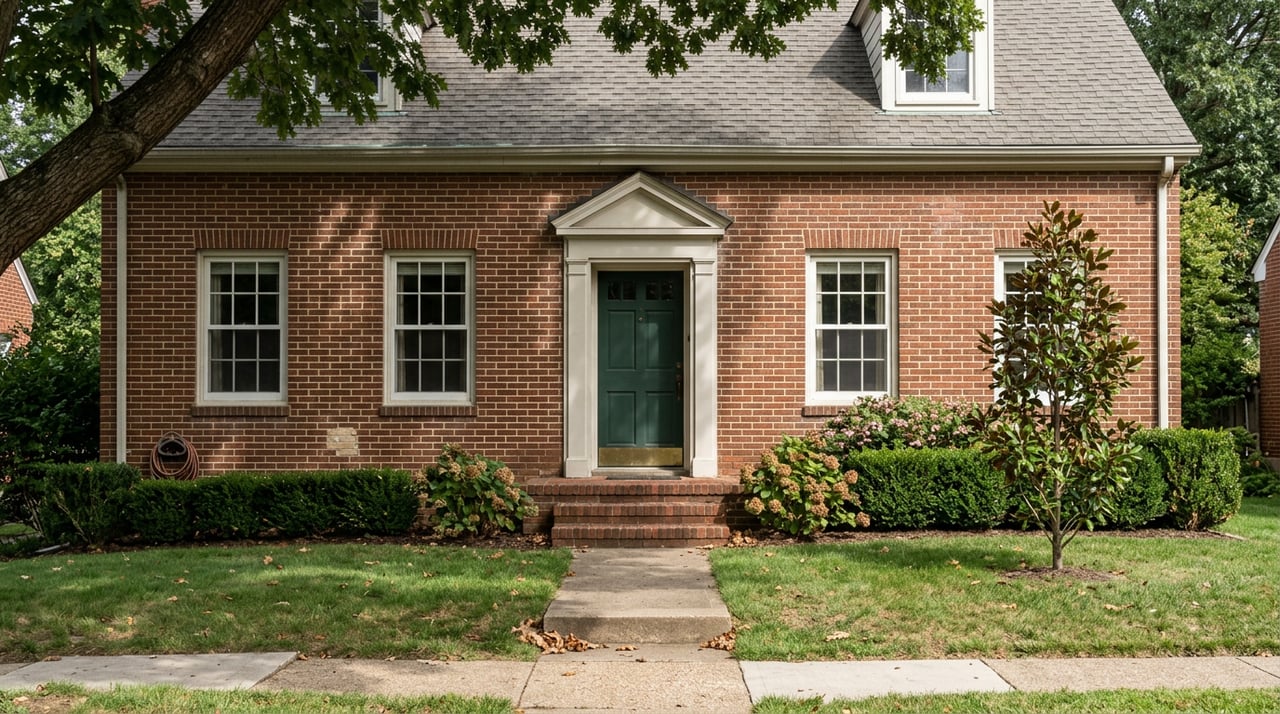
If you picture a classic Northern Virginia house, you are probably picturing a colonial. The Virginia Department of Historic Resources describes Colonial Revival homes as drawing from earlier Georgian and Adamesque designs, while many postwar versions became simpler and more practical.
For you as a buyer, that usually means a familiar layout. Colonials often have a clear split between public living spaces on the main level and bedrooms upstairs, with a center hall and central stair adding a traditional feel.
That layout still has strong appeal in Vienna. Current inventory on Redfin’s Vienna page and active builder plans in town show that colonial-inspired design continues to shape both resale homes and new construction.
What a colonial lifestyle feels like
A colonial often works well if you want more structure in the floor plan. Formal living and dining spaces are more common, and the separation between main living areas and bedrooms can help create a sense of order.
That said, not every Vienna colonial feels formal inside. As the Virginia DHR notes, colonial styling can show up in homes that borrow the visual cues more than the original historic floor plan, so some newer colonials feel much more open and current than the exterior suggests.
What to watch in older colonials
In Vienna, many colonial-style homes are older, so condition matters as much as design. The U.S. Department of Energy notes that older homes may have inadequate insulation, which can affect comfort and operating costs.
When you tour an older colonial, pay close attention to:
- Windows and exterior trim
- Roofing condition
- Air sealing and insulation
- HVAC performance
Vienna also offers a helpful local tool through its thermal-camera loan program, which can help residents identify insulation gaps and air leaks.
Split-Level and Split-Foyer Homes
Why these homes stand out in Vienna
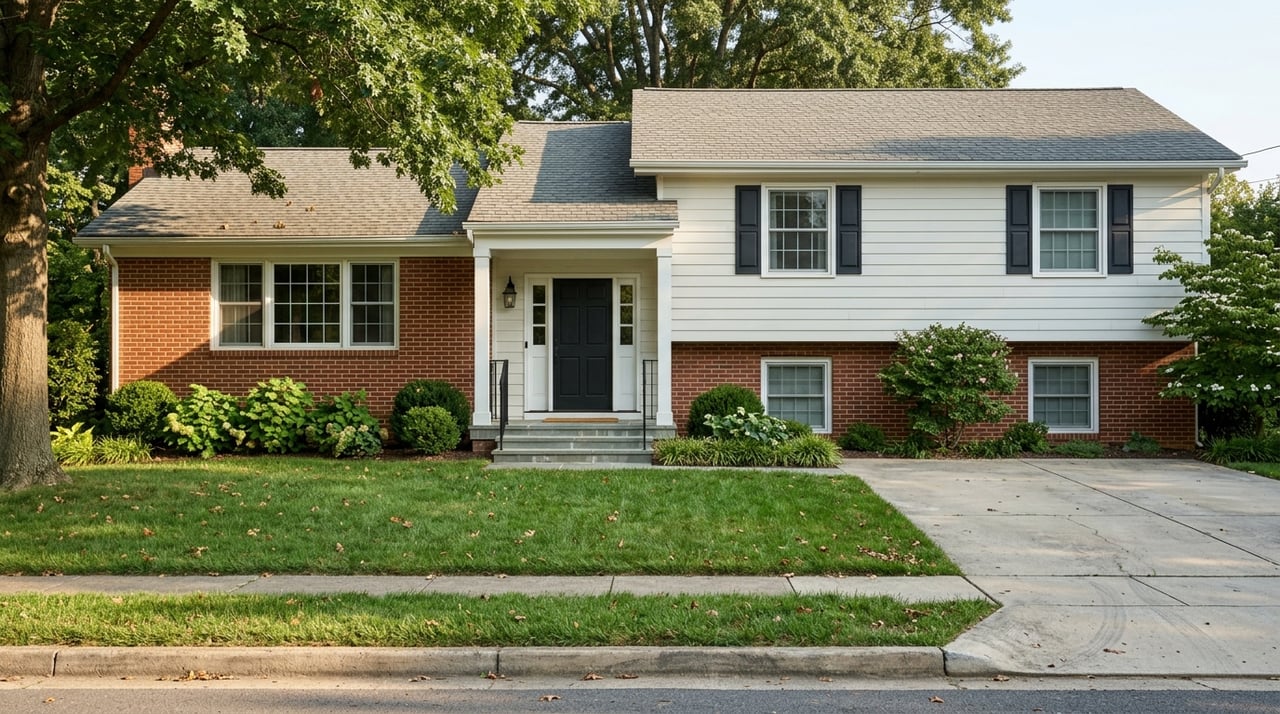
Split-level and split-foyer homes are a natural part of Vienna’s housing mix because so much of the town’s stock dates to the postwar era. The Virginia DHR explains that the split-level emerged in the mid-1950s as a multi-story version of the ranch, separating living, service, and sleeping zones across different levels.
If you have toured Vienna homes before, you have likely seen this format. It remains part of the local inventory and fits well with the town’s large share of homes built before 1970.
How the layout works
A split-level can make a modest footprint feel more spacious because the living areas are spread out. You may find a main level for kitchen and living space, an upper level for bedrooms, and a lower level for a family room or flex space.
A split-foyer is a little different. The entry opens to a landing between levels, so stairs become part of the home’s everyday flow from the moment you walk in.
Who this style may suit best
This style can be a strong match if you want separate zones for different activities. It can work especially well when you like the idea of a lower-level hangout area, a tucked-away bedroom level, or more separation between quiet and active spaces.
The tradeoff is simple: more stairs. If one-level convenience matters to you, or if you are thinking ahead about accessibility, stroller logistics, or long-term aging in place, the number of level changes should be a major part of your decision.
What to inspect closely
Because split-level and split-foyer homes rely on multiple levels and transitions, it is smart to look carefully at performance and maintenance. Focus on:
- Lower-level moisture
- HVAC balance between levels
- Insulation quality
- Air sealing
Vienna’s thermal-camera program and the DOE’s home energy guidance can be useful references when you want to evaluate these issues more carefully.
Newer Infill and New Construction
Why buyers compare newer homes
If you want a more current layout and fewer immediate projects, newer infill may be worth a close look. Vienna’s adopted budget shows that 22.2% of housing units were built in the 2010s or 2020s combined, which makes newer construction a meaningful part of the town’s housing mix.
That trend also shows up in active inventory. Redfin’s Vienna page keeps a live new homes category, and current listings and plans in Vienna show a blend of traditional, contemporary, and Craftsman-influenced design.
What newer homes usually offer
For many buyers, the biggest draw is the floor plan. Newer homes often lean toward open kitchen and family spaces, flexible rooms for work or guests, and layouts designed around how people live today.
That can mean less near-term renovation work compared with older housing stock. If you want a move-in ready feel and a home that already reflects current design preferences, newer infill may rise to the top of your list.
Newer does not mean no due diligence
Even brand-new homes deserve a careful review. The DOE’s guidance on air sealing in new home construction points out that insulation, moisture control, ventilation, and air sealing still matter in newer properties.
When comparing a newer home, ask about:
- Energy performance
- Drainage and moisture management
- Ventilation
- Finish quality
In Vienna, new construction is also influenced by local planning and design context. The town’s broader planning framework shapes how growth and development fit into the community over time.
Windover Heights and Renovation Plans
If you are buying with renovation in mind, location inside Vienna matters just as much as style. In Windover Heights, the town says its board reviews new construction and major exterior alterations, and the area is known for older homes along tree-lined streets.
That does not mean you cannot improve a property there. It does mean you should go in with a clear understanding that visible exterior changes may require closer review. If you love an older home and want to expand or significantly update the exterior, this is worth discussing early in your home search.
How to Choose the Right Style for You
The best home style is the one that fits your daily life, your budget for updates, and your long-term plans. In Vienna, that usually means comparing layout and condition side by side, not just choosing the home with the prettiest exterior.
Here is a simple way to think about it:
Choose a colonial if you want:
- Traditional curb appeal
- A center hall and classic room arrangement
- Bedrooms typically grouped upstairs
- A more formal separation between living spaces
Choose a split-level or split-foyer if you want:
- Distinct zones for living, sleeping, and hangout space
- A layout that can feel larger than the footprint suggests
- Mid-century character common in older Vienna neighborhoods
- Flexibility across multiple levels
Choose newer infill if you want:
- A more open floor plan
- Fewer immediate renovation projects
- Contemporary function with newer finishes
- Flexible rooms for guests, work, or changing needs
A Smart Vienna Home Search Starts With Fit
In Vienna, style is really about how you want to live. A colonial may give you the traditional structure and curb appeal you love. A split-level may offer practical separation and flexible space. A newer infill home may better match a move-in ready lifestyle with a more current layout.
The key is knowing which tradeoffs matter most before you fall in love with a house. If you want help comparing Vienna home styles, neighborhood context, and renovation considerations, Karina Srebrow can help you search with a clear plan and broker-level local insight.
FAQs
What home styles are most common in Vienna, VA?
- Vienna has a mix of older and newer homes, including colonial-style homes, split-levels, split-foyers, and newer infill construction, with more than half of housing units built before 1970 according to town data.
Are colonial homes in Vienna always older homes?
- No. Colonial-style homes in Vienna can include older homes as well as newer construction, and some newer homes use traditional colonial exterior cues with more open modern interiors.
Are split-level homes in Vienna good for flexible living space?
- Yes. Split-level homes often create useful separation between living areas, bedrooms, and lower-level space, which can make the layout feel more flexible.
Should buyers in Vienna worry about energy efficiency in older homes?
- Yes. Older homes may have insulation and air sealing issues, so it is smart to evaluate windows, roofing, HVAC performance, and weatherization needs during your search.
What should buyers know about Windover Heights in Vienna?
- Buyers considering homes in Windover Heights should know that new construction and major exterior alterations may be subject to review by the town’s board, which is important if you plan to renovate or expand.
Is new construction in Vienna a major part of the market?
- Yes. While older homes still make up much of Vienna’s housing stock, homes built in the 2010s and 2020s account for 22.2% of housing units, making newer construction a meaningful option for buyers.